
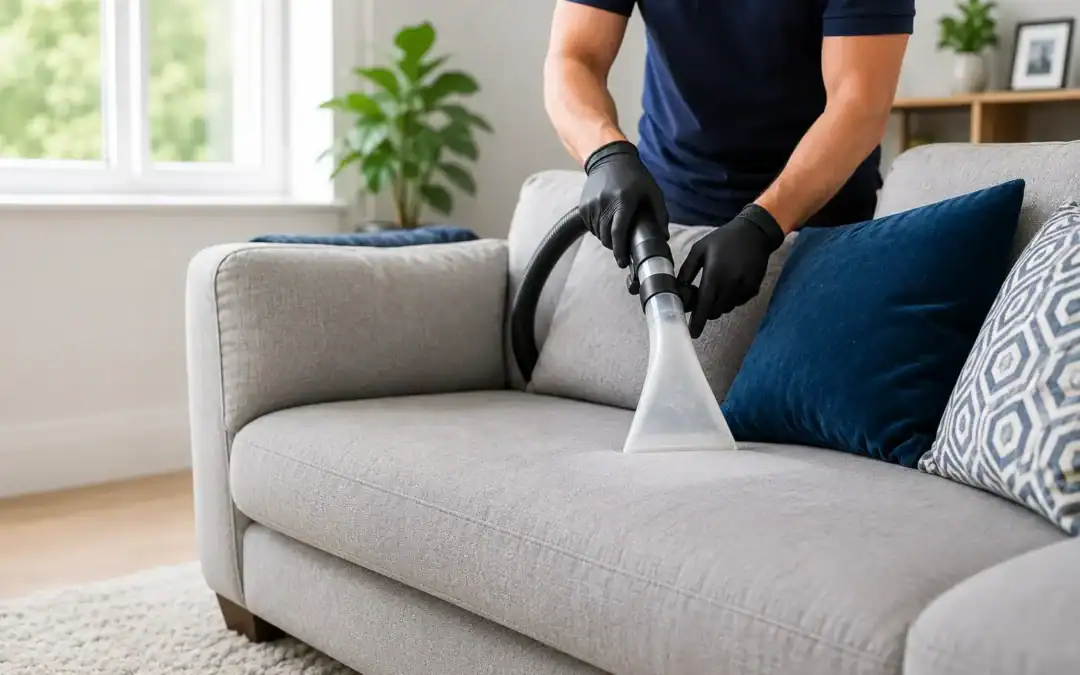
If your sofa is looking a little tired, you are not alone. Daily use, pets, and the odd drink spill will quietly build up soils and odours that regular vacuuming cannot touch. Professional upholstery cleaning can bring back colour, freshness, and that just-cleaned feel without harsh residues or long downtime.
In this guide we explain what happens during a professional clean, how long it takes, typical drying times, what affects results, and what you can realistically expect to pay in the UK. We also tackle common DIY myths and mistakes, and share simple aftercare that helps your suite stay cleaner for longer.
We are Botley Carpet Cleaners, a family business serving Botley, Eastleigh, Bishop’s Waltham, and across Hampshire. We use environmentally friendly solutions and powerful extraction to clean safely and dry fast, backed by a straightforward 14-day guarantee on workmanship, and there is no small print.
Fabrics we clean and how we choose the method
Not every sofa fabric is the same, so the first step is a quick inspection. We identify the fibre, construction, and any colour-bleed risk so we can select the safest approach.
- Synthetics like Polyester, Polypropylene, Acrylic, and Microfibre are resilient and respond well to hot water extraction with an eco pre-spray and rinse.
- Mixed blends, for example Cotton-Poly or Viscose blends, need careful temperature control and gentle agitation to protect the pile and seams.
- Delicate fibres such as Linen, 100 percent Cotton, Viscose/Rayon, and some Wool weaves can be moisture sensitive. These often benefit from low-moisture techniques and controlled rinsing to prevent browning, ring marks, or texture change.
Our preference is a residue-free process. We apply an environmentally friendly pre-spray that lifts soils and odours from fibres, then flush it away with clean water using high-powered extraction. No sticky detergents left behind and no crunchy feel as it dries.
What to expect on the day
A typical visit runs like this:
- Pre-inspection and testing. We check labels, test for colour fastness, and point out any pre-existing damage or likely permanent stains. Honest advice upfront is part of our routine.
- Dry soil removal. A thorough vacuum removes the majority of dry soil so wet cleaning can focus on what vacuuming cannot remove.
- Pre-spotting. We treat common problems such as tea, coffee, red wine, oil, makeup, and pet accidents. Some stains may be permanent, especially old dye transfers, bleach marks, or set-in tannins on cotton. If it will not shift safely, we will say so.
- Eco pre-spray and gentle agitation. We use a solvent-free, phosphate-free solution with bio-active action to tackle odours. On robust fabrics we may use mechanical brushing; on delicate fibres we keep it light and local.
- Controlled rinse and high-powered extraction. Our British-built equipment delivers deep rinsing with strong vacuum lift. The aim is simple, great soil removal with minimal moisture left behind to speed drying.
- Grooming and final checks. We set the pile, place cushions to encourage airflow, and walk through the results with you. Aftercare tips included.
Furniture moving is sensible and safe. We can shift smaller items to reach edges; large or fragile pieces usually stay put to protect your belongings.
How long cleaning and drying actually take
Time on site depends on size, soil level, and fabric type. As a rule of thumb:
- A standard 3-seater typically takes 45 to 75 minutes to clean, plus setup and walkthrough.
- A 3-2-1 suite is often 1.5 to 3 hours in total.
Drying times vary with fibre, humidity, and ventilation:
- Many synthetic suites are touch-dry within 2 to 4 hours with our high-powered extraction.
- Natural fibres and dense cushions may take 4 to 8 hours, sometimes longer in cool or humid rooms.
- Speed things up by opening windows slightly, running gentle airflow, and keeping heating moderate. Avoid sitting until fully dry to prevent re-soiling or compression marks.
Professional results vs DIY and steamers
Is professional upholstery cleaning better than doing it yourself? Often, yes, because the risks of DIY are rarely obvious until after the fact.
Common DIY mistakes include:
- Over-wetting. Too much water pushes soils deeper, wicks stains to the surface, and can lead to odour or browning.
- Wrong chemical choice. High-pH detergents or optical brighteners can cause colour loss, stiff fibres, or rapid re-soiling from sticky residues.
- Excessive agitation. Scrubbing can distort the pile, fuzz delicate fibres, and wear seams.
- Uneven rinsing. Shampoo left in the fabric attracts dirt quickly, so the sofa looks dull again within days.
A professional uses fibre-safe chemistry, controlled moisture, and strong extraction. The result is deeper cleaning with quicker drying and less risk. That said, some stains are permanent. Sun fade, bleach, dye transfer from cushions or jeans, and old pet urine that has set into cotton are examples where fabric has changed at a molecular level. We will give honest advice instead of chasing damage.
If you are weighing up shampoo vs steam: for most modern upholstery, a low-moisture, hot water extraction rinse beats shampoo-only methods because it removes residues. True steam at high temperature is rarely used directly on upholstery fabrics due to colour and texture risk. Controlled hot water extraction with proper chemistry is the safer choice.
Costs in the UK, fairly explained
Rates vary by region, fabric, and access. For orientation in the UK market:
- A single armchair often falls in the £25 to £45 range.
- A 2-seater is typically £40 to £70.
- A 3-seater is often £55 to £95.
- A full 3-2-1 suite can land between £120 and £200.
- Specialist fabrics, heavy soiling, or advanced odour work can add to the total.
We work on fixed quotes with no upsell. Deodoriser is included at no extra charge, and our 14-day guarantee on workmanship applies. If you are local and want a precise figure, request a tailored sofa cleaning quote in Botley from our team and we will confirm details quickly.
For readers in Eastleigh comparing options for one-off upholstery cleaning, our local page explains the process and drying approach so you can plan your day confidently.
- Learn more about Botley fast-dry upholstery cleaning on our service page: https://botley-carpet-cleaners.co.uk/professional-upholstery-cleaning/
- If you are in Eastleigh, see our one-off upholstery cleaning information: https://botley-carpet-cleaners.co.uk/upholstery-cleaning-eastleigh
- Explore our wider carpet and upholstery cleaning in Botley to see how we work across homes in the area: https://botley-carpet-cleaners.co.uk/
Pet accidents and odour treatments
Pet odours often sit below the surface. We use bio-active treatments that target the source, then rinse thoroughly so you are not left with fragranced cover-ups or sticky residues. Fresh accidents respond best to blotting with plain white towels. Avoid scrubbing or supermarket stain removers; they can lock stains in or cause colour loss. If the sofa is cotton or linen, call for advice before adding liquid, because some natural fibres can brown.
Aftercare tips that make a real difference
- Ventilate for a few hours post-clean and keep cushions spaced so air can circulate.
- Rotate and flip loose cushions weekly to even out wear and sun exposure.
- Vacuum with a gentle upholstery tool every 1 to 2 weeks to remove dry soils before they bond to fibres.
- Blot spills straight away with a clean towel, working from the outside in. Avoid heat on stains.
- Use throws or washable covers in high-use pet zones. Wash them regularly to reduce transfer to the fabric beneath.
Quick FAQ
How long does it take to professionally clean a sofa?
Usually 45 to 75 minutes for a 3-seater, depending on soil level and fabric. A full suite is often 1.5 to 3 hours.
How long does upholstery take to dry?
Most synthetic fabrics are touch-dry in 2 to 4 hours. Natural fibres and dense foam can take 4 to 8 hours or more in cool or humid rooms.
What are common upholstery cleaning mistakes?
Over-wetting, using the wrong chemical, scrubbing too hard, and failing to rinse out residues.
Is professional cleaning better than DIY?
Typically yes, due to safer chemistry, controlled moisture, and powerful extraction that removes residues and speeds drying.
Is it worth getting a sofa professionally cleaned?
If the fabric is structurally sound, a professional clean can restore colour, remove odours, and extend the life of the suite, often for far less than replacement.
How much does a professional sofa clean cost in the UK?
As a guide, £25 to £45 for an armchair, £40 to £70 for a 2-seater, £55 to £95 for a 3-seater, and £120 to £200 for a full suite. Request a fixed quote for your fabric and layout.
Is it better to shampoo or steam clean a couch?
Controlled hot water extraction with proper rinse is usually best. Shampoo-only methods leave residues; true steam is rarely appropriate for upholstery and risks colour or texture change.
A quick word on guarantees, safety, and booking
We are trained, insured, and use environmentally friendly, solvent-free, phosphate-free solutions that are safe for families and pets. There is no upsell. If anything reappears as it dries or you are not happy, our 14-day guarantee means we return and re-clean free of charge.
If you are in Botley, Eastleigh, Bishop’s Waltham, or nearby, we can help with convenient appointments and fast drying. For local readers planning a move, our end of tenancy cleaning in Eastleigh can also bundle carpets and upholstery in one visit so you hand back keys with confidence: https://botley-carpet-cleaners.co.uk/end-of-tenancy-cleaning-eastleigh
Summary and next steps
A professional upholstery clean is straightforward, safe, and effective when the right method is matched to the right fabric. Expect a 45 to 75 minute clean for a typical sofa, drying in a few hours on most synthetics, longer for natural fibres. Results usually beat DIY because residues are rinsed away and moisture is controlled, which reduces risks like browning and wicking. UK pricing varies, but the guide above will help you budget.
If your suite needs a refresh, send a quick photo and size details and we will confirm a fixed quote with no small print. We are friendly, local, and happy to share honest advice before you book.